CIRUJANO PLÁSTICO MIEMBRO SCCP
Cirugía plástica con enfoque médico y resultados naturales, donde la seguridad, la confianza y la armonía son el centro de cada transformación.
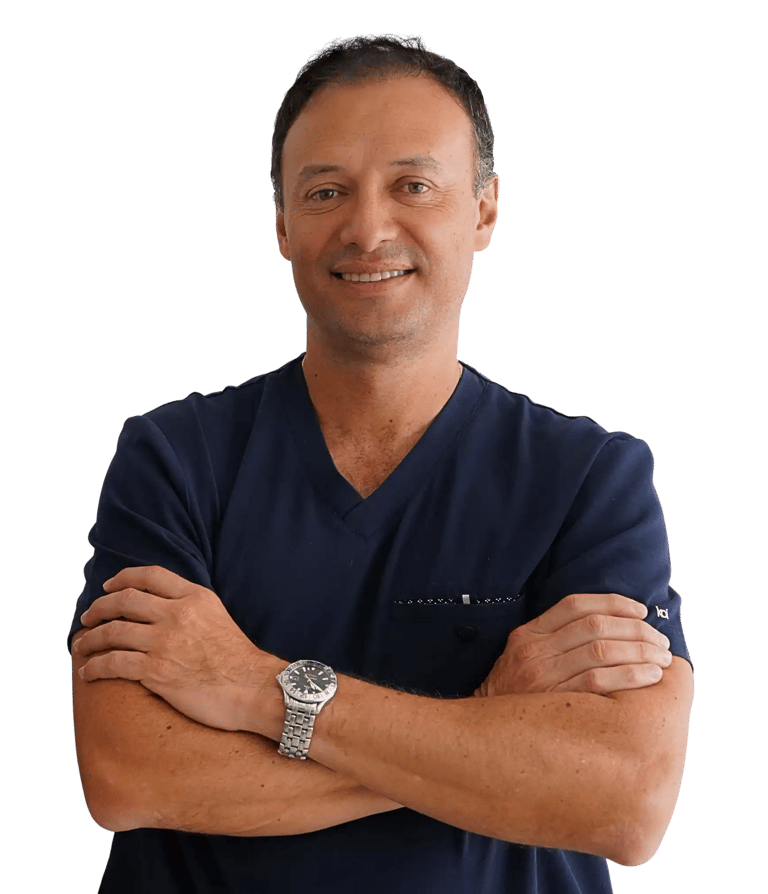
SOY MAURICIO PINEDA
Cirujano Plástico • Estético • Reconstructivo
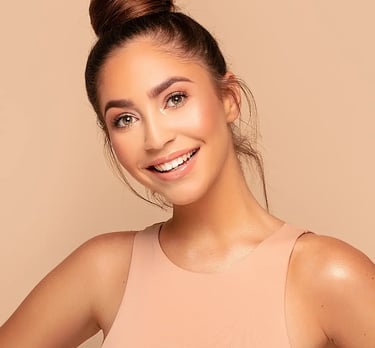
Cirugía Facial y Tratamientos Antiaging
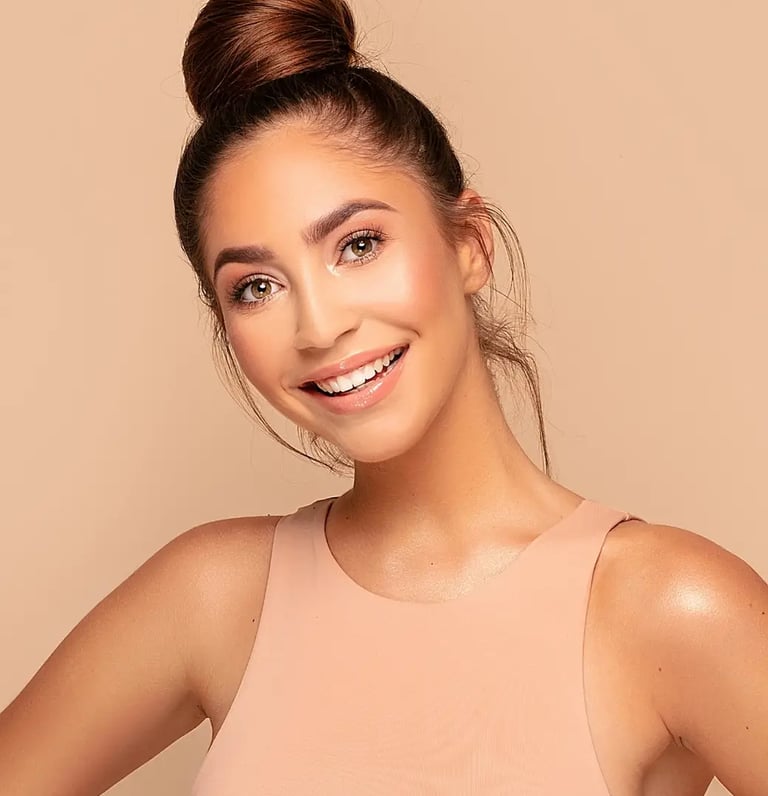
En nuestra clínica combinamos ciencia, experiencia y estética avanzada para realzar tu belleza natural con tratamientos faciales antiaging y cirugía plástica de alto nivel. Rejuvenece tu rostro con seguridad.
Antiaging
Cirugía Facial
Rinoplastia Ultrasonica
Cirugía de Párpados
Cirugía de Ojeras
Estiramiento Facial
Levantamiento de Cejas
Estiramiento de Frente
Cirugía de Ojeras
Toxina Botulinica
Acido Hialurónico
Radiesse
Aumento de Labios
Rellenos Faciales
Relleno de Ojeras
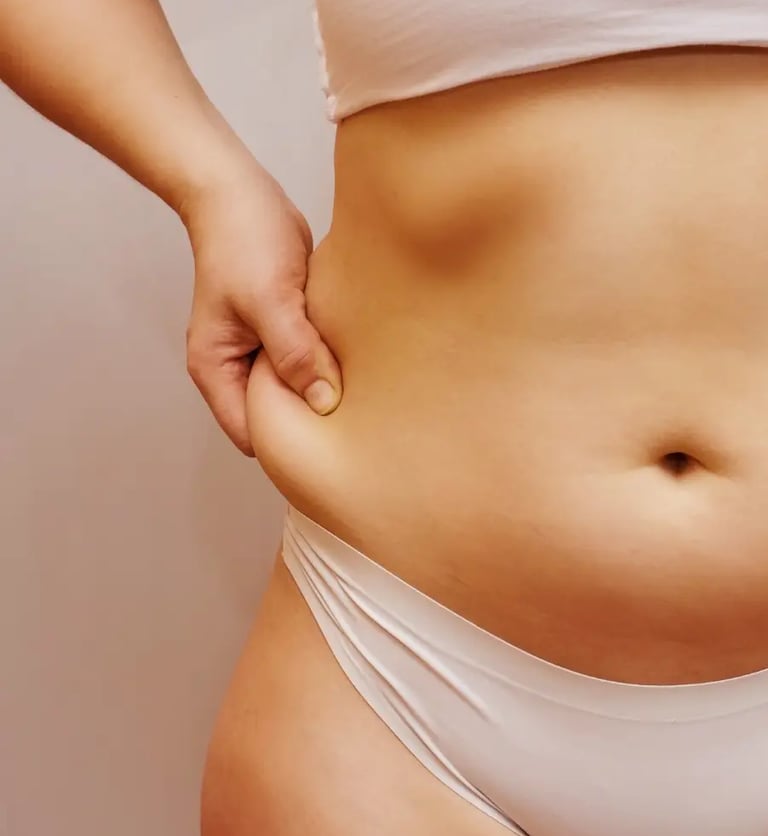
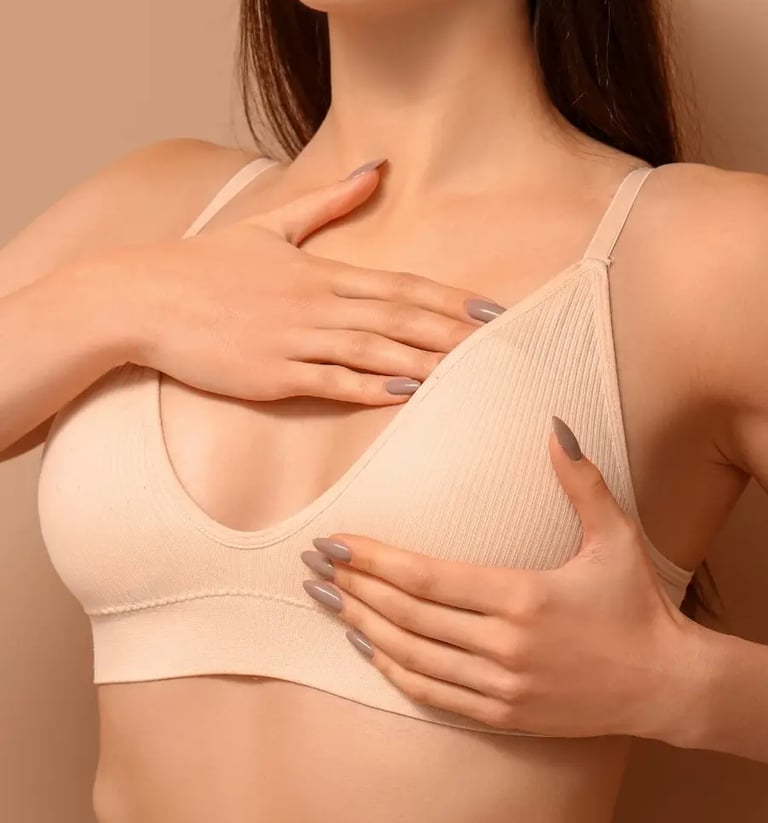
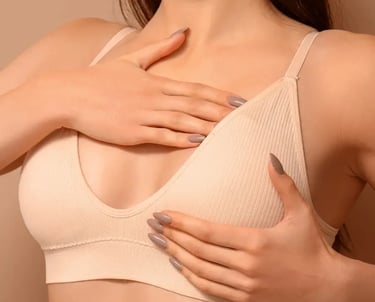
Cirugía Corporal Segura y Responsable.
No pongas tu salud en manos inexpertas. En nuestra clínica operas con cirujanos plásticos certificados, bajo los más altos estándares médicos y con un acompañamiento integral en cada etapa de tu transformación.
Mamoplastia de Aumento
Mamoplastia de Reducción
Levantamiento de Senos
Lipoescultura - Vaser -Renuvion
Abdominoplastia
Aumento de Gluteos
Lipoinyección Glutea
Mommy Makeover
Cirugía Postbariatrica
Corrección de Cicatrices
Cambio de Implantes
Explantación Mamaria
Lipotransferencia de Grasa
Levantamiento de Muslos
Cirugía Corporal
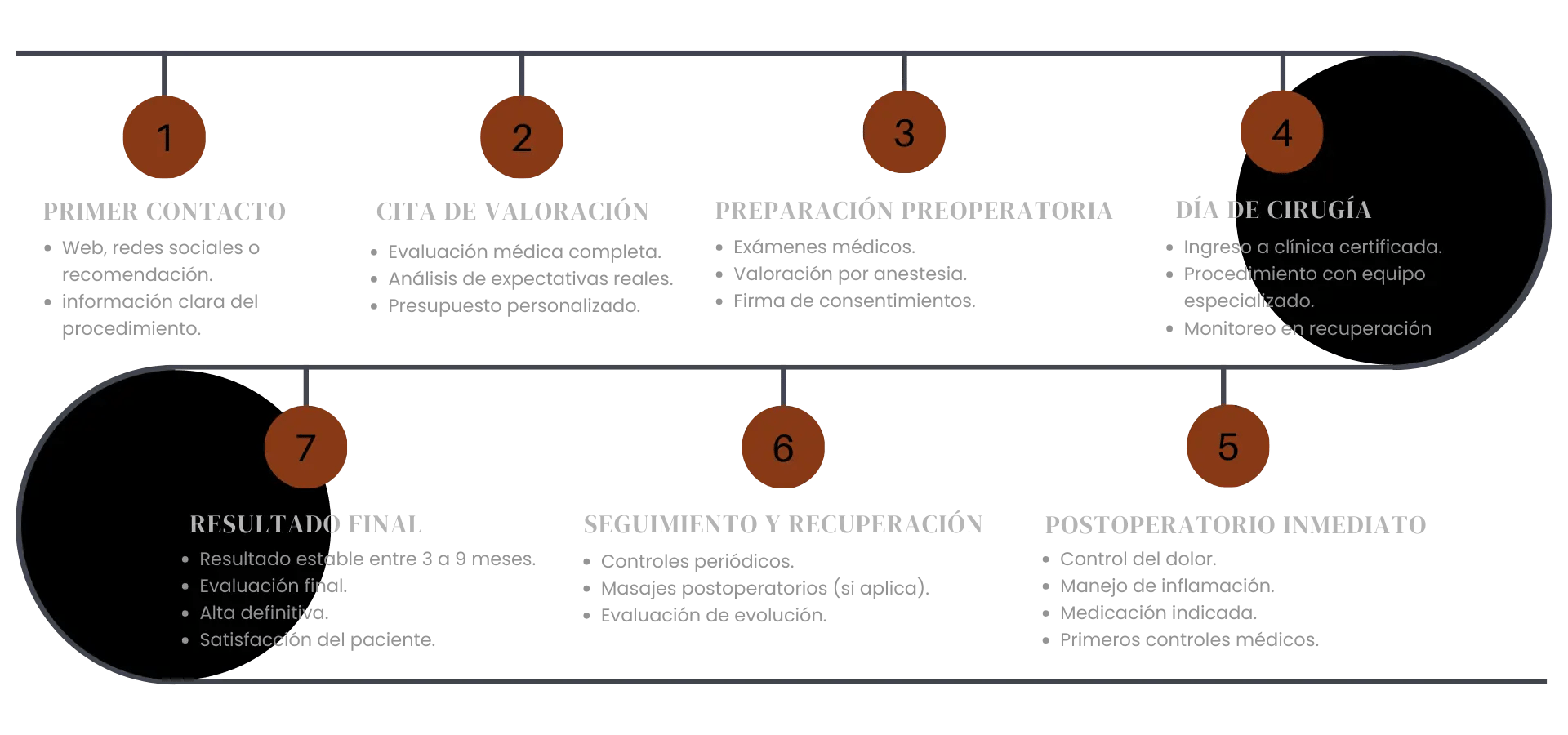
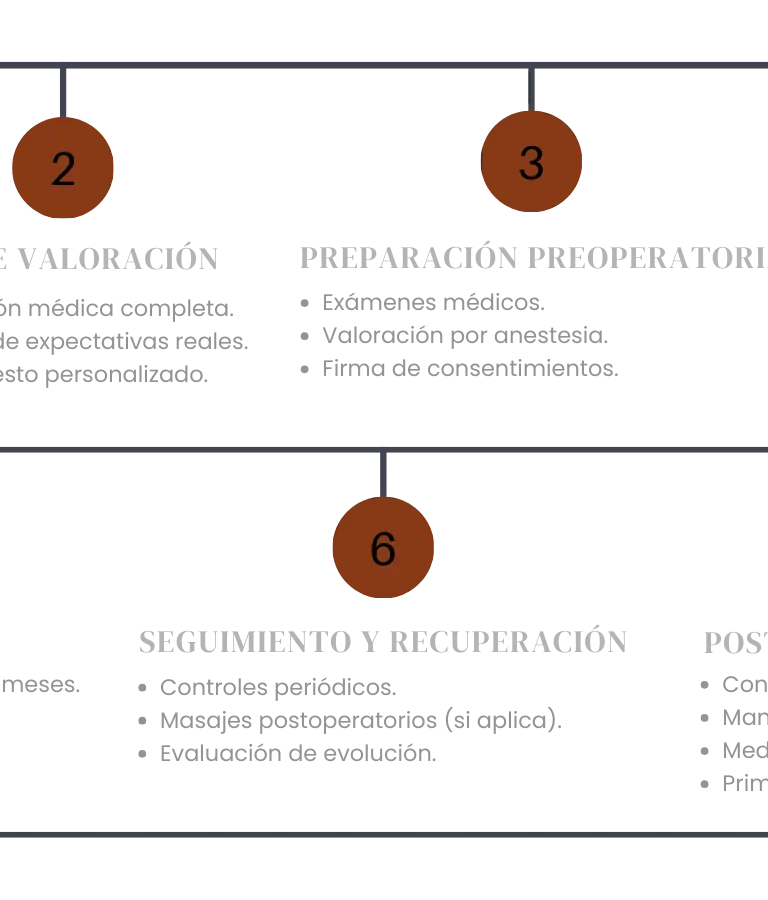
Proceso Integral de Atención al Paciente
Una ruta clara, segura y estructurada para garantizar los mejores resultados quirúrgicos.
¿En que me diferencio?
Esto es lo que me diferencia de mi competencia
1. Doble fortaleza: reconstrucción + estética
Combino la cirugía reconstructiva de alta complejidad con la cirugía estética, lo que me permite tener un criterio quirúrgico superior, mayor seguridad y mejores decisiones en cada procedimiento.
Prioritizo siempre la salud del paciente y la armonía del resultado. Mi objetivo es lograr cambios reales, proporcionales y naturales, sin perder la esencia de cada persona.
Integro mi experiencia clínica con una visión estratégica y empresarial, para ofrecer no solo procedimientos, sino una experiencia de atención organizada, moderna y de alto nivel.
Resultados naturales con enfoque médico real
Visión integral: médico, empresario y líder
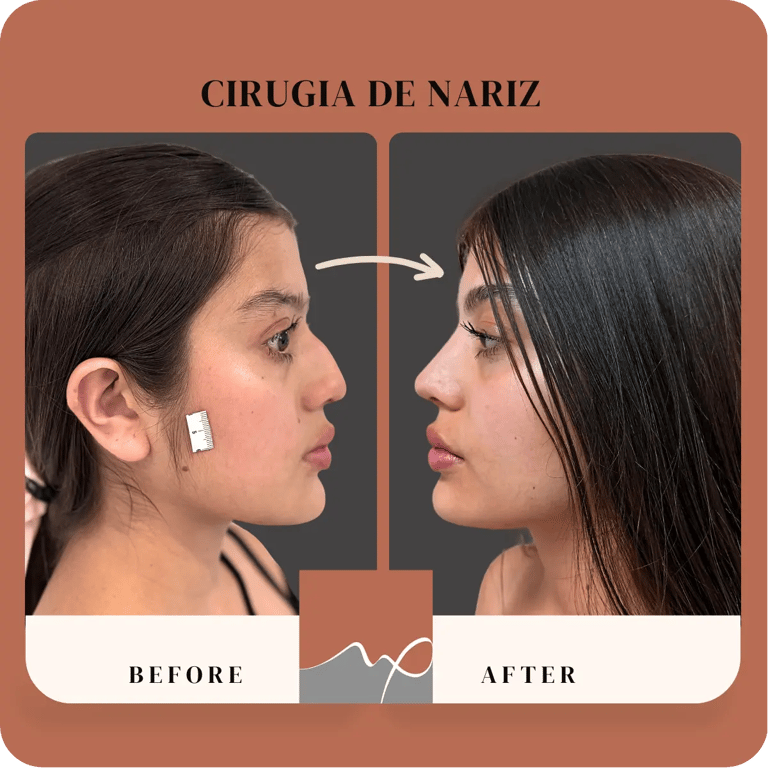
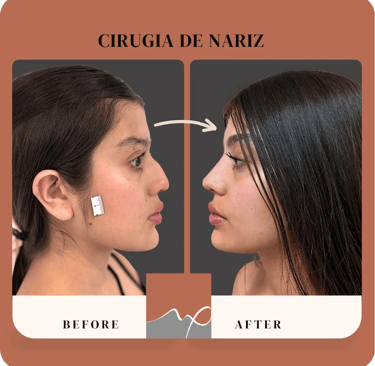
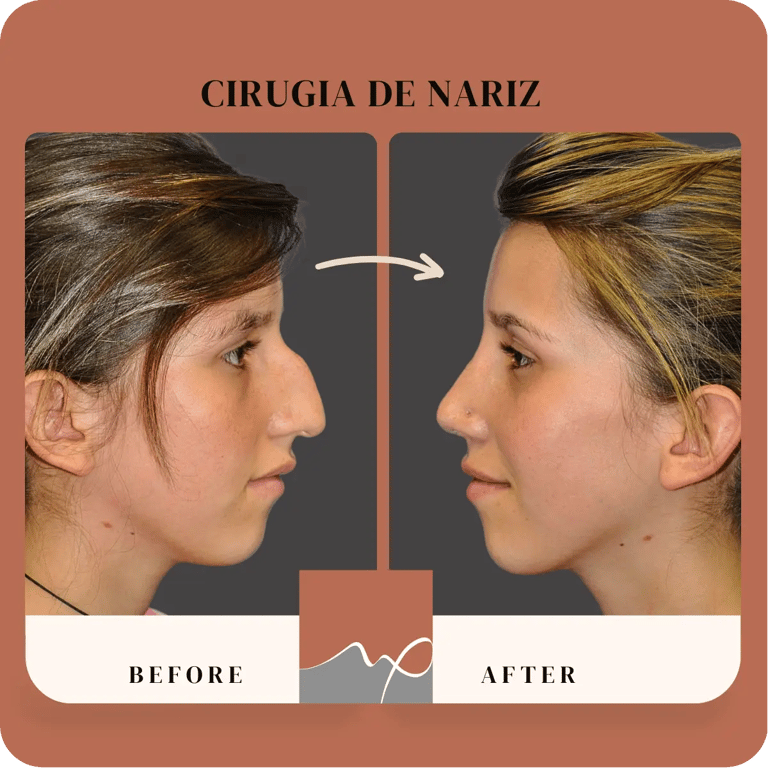
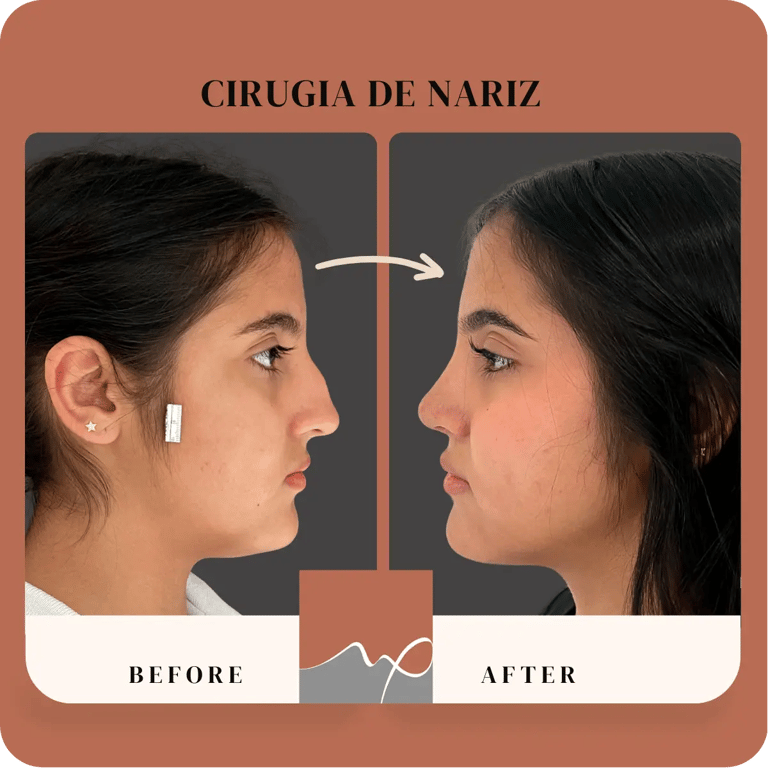
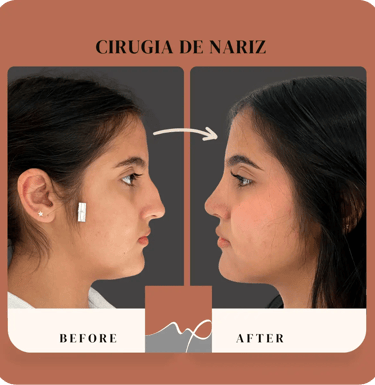
Casos Antes & Despúes
Clientes que ya confiaron en mí
Descubre como he ayudado a otros a través de la comunicación.
Gracias a las mentorías de Adrià, logré mejorar mi vida personal y ahora proyecto más confianza. y mis relaciones han mejorado de formas inclreibles
Brian Moten


Adrià me enseñó a comunicar de una forma que jamás imaginé posible. Mi vida profesional dio un salto de un día para el otro.


Clarice Turner
★★★★★
★★★★★
Lecciones semanales sobre comunicación.


Más de 100,000 personas ya reciben mis lecciones exclusivas cada semana. Únete y no te pierdas ninguna.
Nuestros artículos destacados
Dirección
Cra 43 A # 16 sur 47 - Local 102 Edificio Panalpina Av. El Poblado Medellín - Colombia
Contacts
305 306 5535
contacto@cirugiaesteticacolombia.com
Quiero Recibir Articulos y Notificaciones
© DrMauricioPineda 2026 Todos los derechos reservados